
OpenAI Acquires Humanoid Robotics Startup Figure AI
OpenAI acquires Figure AI for $2.9B, marking its major entry into humanoid robotics and physical AI embodiment with API integration plans.

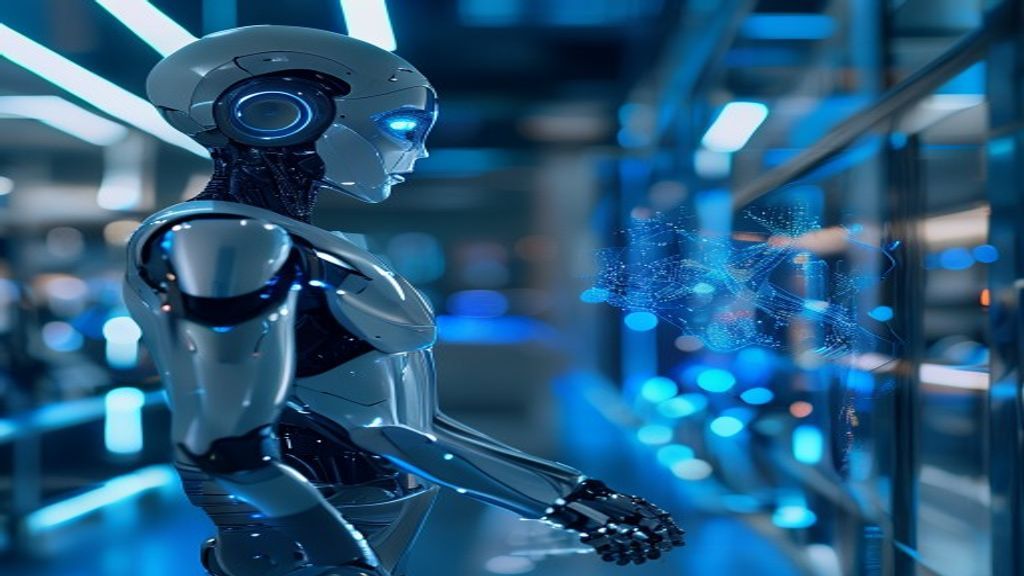
TL;DR: OpenAI has acquired humanoid robotics startup Figure AI for $2.9 billion, marking its first major expansion into physical AI systems. The deal combines OpenAI’s advanced language models with Figure’s bipedal robots to create API-accessible robotic control systems for developers.
OpenAI Robotics Acquisition Signals Major Industry Shift
OpenAI has completed its acquisition of Figure AI, a humanoid robotics company, in a deal valued at $2.9 billion. The transaction represents OpenAI’s first significant move into physical AI embodiment beyond software applications. This strategic expansion positions the company to compete directly with Tesla’s Optimus robot and Google DeepMind’s robotics initiatives.
The OpenAI robotics acquisition includes Figure’s existing fleet of bipedal robots currently deployed in commercial settings. These robots are already operational in BMW manufacturing facilities and Amazon warehouse environments. The integration of OpenAI’s AI capabilities with proven hardware creates immediate real-world applications for developers and enterprises.
Figure AI’s Technology and Commercial Deployments
Figure AI has developed advanced bipedal humanoid robots capable of navigating complex industrial environments. The robots stand approximately 5 feet 6 inches tall and weigh around 130 pounds. Their design prioritizes human-like movement patterns, allowing them to operate in spaces built for human workers.
BMW has deployed Figure’s robots in its South Carolina manufacturing plant for specific assembly tasks. Meanwhile, Amazon has integrated the robots into warehouse operations for inventory management and package handling. These deployments have provided valuable real-world data for refining the robots’ capabilities and reliability.
The robots currently use proprietary control systems developed by Figure’s engineering team. However, OpenAI plans to replace these systems with GPT-5-powered multimodal reasoning capabilities. This integration will enable the robots to understand and respond to natural language commands while processing visual and spatial information.
GPT-5 Integration and Multimodal Reasoning
OpenAI intends to integrate its upcoming GPT-5 model with Figure’s robotic hardware platform. The multimodal reasoning capabilities will allow robots to interpret complex instructions and adapt to changing environments. This approach differs from traditional robotic programming, which requires extensive manual coding for each specific task.
The integration will leverage GPT-5’s ability to process text, images, and spatial data simultaneously. Robots will analyze their surroundings, understand verbal or written instructions, and execute appropriate physical actions. This system promises to reduce the technical expertise required to deploy and manage robotic workers.
Furthermore, the combined system will enable robots to learn from experience and improve performance over time. Machine learning algorithms will analyze successful task completions and failures to refine movement patterns. This continuous improvement cycle mirrors how OpenAI’s language models have evolved through iterative training processes.
New Robotics API for Developers
OpenAI plans to launch a Robotics API that allows developers to program physical tasks using natural language. The API will provide access to Figure’s robotic control systems through familiar programming interfaces. Developers won’t need specialized robotics knowledge to create applications for physical automation tasks.
The API will support common programming languages and include pre-built modules for standard robotic operations. Tasks like object manipulation, navigation, and human-robot collaboration will be accessible through simple function calls. This democratization of robotics programming could accelerate adoption across industries beyond manufacturing and logistics.
Beta access to the Robotics API is expected to launch in Q3 2025 for enterprise customers. OpenAI has indicated that pricing will follow a usage-based model similar to its existing API offerings. Early access partners will help refine the API’s capabilities before a broader public release.
Competition with Tesla and Google DeepMind
The acquisition positions OpenAI to compete directly with Tesla’s Optimus humanoid robot program. Tesla has invested heavily in robotic development, with Elon Musk predicting widespread deployment by 2026. However, OpenAI’s established API infrastructure and developer ecosystem provide distinct competitive advantages.
Google DeepMind has also made significant progress in robotics through its RT-2 and AutoRT systems. These systems use vision-language models to control robotic arms and mobile platforms. The competition between these tech giants will likely accelerate innovation in practical robotics applications.
Industry analysts suggest that OpenAI’s approach of acquiring proven hardware rather than developing it internally may accelerate time-to-market. Figure AI’s existing commercial deployments provide immediate validation and deployment channels. This strategy contrasts with competitors who are still primarily in research and development phases.
What This Means for AI Development
This acquisition represents a fundamental shift in how AI companies approach physical world interaction. OpenAI’s move into robotics demonstrates growing confidence that language models can effectively control physical systems. The combination of advanced reasoning with capable hardware could unlock entirely new categories of automation.
For developers, the Robotics API promises to lower barriers to entry for creating physical AI applications. Natural language programming interfaces will enable software engineers to build robotic solutions without specialized training. This accessibility could spark innovation similar to how cloud APIs transformed software development.
The deal also signals that the AI industry is moving beyond purely digital applications toward embodied intelligence. As AI agents become more sophisticated, their ability to interact with the physical world becomes increasingly valuable. OpenAI’s $2.9 billion investment suggests the company views physical AI as essential to its long-term strategy.
Commercial implications extend across manufacturing, logistics, healthcare, and service industries. Organizations will gain access to flexible automation solutions that adapt to changing requirements without extensive reprogramming. This flexibility could finally deliver on decades of promises about practical, general-purpose robotics.




Keep reading
More from the same category

Cursor AI Review 2026: Is the $20/Mo Pro Plan Worth It?
Some links in this post may earn us a small commission at no extra cost to you. We only recommend tools we...

How to Use Suno AI to Save Time in 2026 (Full Guide)
You needed a background track for your YouTube video yesterday. You spent four hours on Epidemic Sound, found nothing that fit, and...

How to Use Jasper AI to Save Time in 2026 (Full Guide)
Most content teams spend 6–10 hours producing a single blog post. Jasper AI users report cutting that to under 2 hours —...