
OpenAI Launches GPT-Rosalind — Its First AI Model Built Specifically for Drug Discovery
OpenAI just released GPT-Rosalind, a specialized AI model for biology, drug discovery, and genomics research. It is only available through a Trusted Access program — here is why that matters.
 Updated
5 min read
Updated
5 min read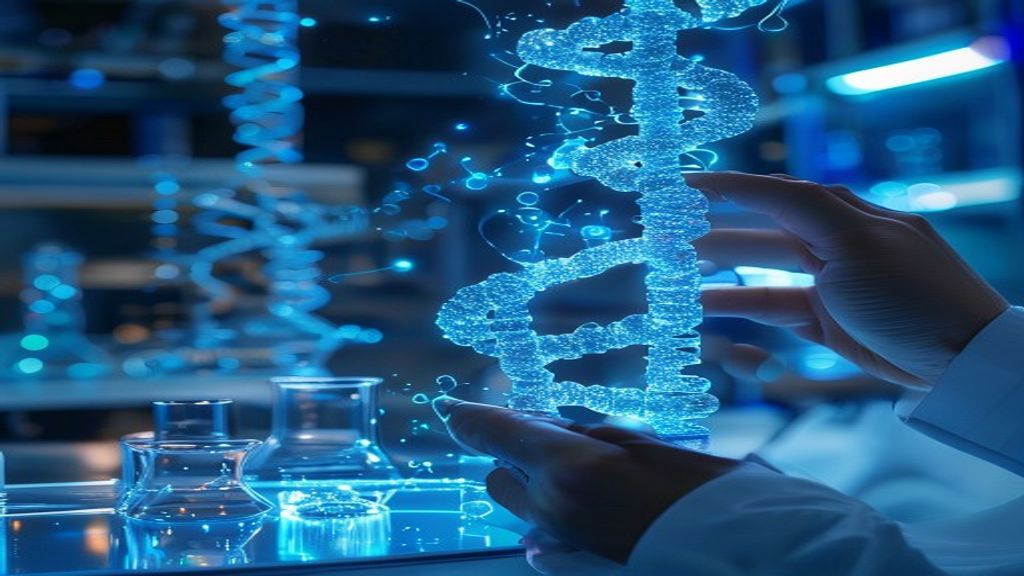
BREAKING — TOOLS STACK AI
OpenAI Launches GPT-Rosalind:
First Specialized Model for Drug Discovery and Life Sciences
Available via Trusted Access — Amgen, Moderna, Thermo Fisher
Tools Stack AI • April 22, 2026
When OpenAI launches GPT-Rosalind, it marks a sharp departure from their usual playbook. While ChatGPT has been dominating headlines with ads and revenue milestones, this new model might be their most consequential move of 2026 — and it has nothing to do with chatbots.
Meet GPT-Rosalind, OpenAI’s first AI model built specifically for life sciences research. Named after Rosalind Franklin — the scientist whose X-ray crystallography work was key to discovering DNA structure — this model is designed to accelerate drug discovery, protein engineering, and genomics research.
And unlike most OpenAI launches, you can’t just sign up and start using it. This one is behind a locked door.
What Is GPT-Rosalind After OpenAI Launches This Specialized Model?
GPT-Rosalind is a frontier reasoning model optimized for scientific workflows across biology, drug discovery, and translational medicine. That is a mouthful, so let me break it down.
Most AI models — GPT-4, Claude, Gemini — are generalists. They are great at many things but are not deeply specialized in any one domain. Rosalind is different. It has been specifically trained to understand chemistry, protein engineering, and genomics at a level that general-purpose models can’t match.
What makes it particularly useful for researchers is improved tool use. Through a companion Codex plugin (freely available), scientists can connect GPT-Rosalind to over 50 scientific tools and data sources — think molecular databases, protein structure predictors, clinical trial registries, and genomic analysis pipelines.
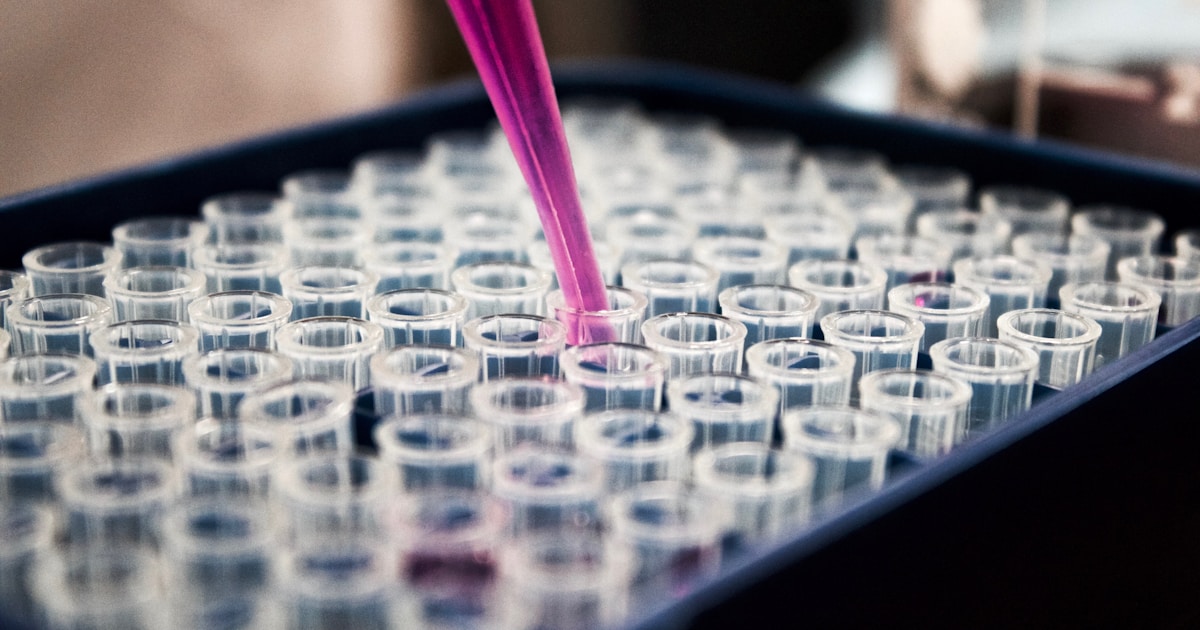
The model is not just reading papers. It is designed to work within the scientific stack.
Why the Restricted Access?
This is the most interesting part. OpenAI is deliberately not doing a broad release. Instead, GPT-Rosalind is available through a Trusted Access program with three requirements:
1. Beneficial use. Your research needs to have a clear public health benefit.
2. Strong governance. Organizations must demonstrate they have proper data handling and ethical oversight.
3. Controlled access. Every applicant goes through a qualification and safety review.
Currently, access is limited to qualified Enterprise customers in the United States. The organizations OpenAI has publicly confirmed include Amgen, Moderna, the Allen Institute, and Thermo Fisher Scientific — heavy hitters in biotech and pharmaceutical research.
Why the caution? Because a model that’s genuinely good at understanding molecular biology and drug interactions is also a model that could potentially be misused. According to OpenAI’s safety guidelines, they’re clearly trying to get ahead of biosecurity concerns before they become headlines.
Why This Is a Bigger Deal Than It Looks
I know — drug discovery doesn’t have the same clickbait appeal as ChatGPT gets ads. But this move signals something important about where the AI industry is heading.
Specialized models are the future. We have spent three years in the make one model that does everything era. When OpenAI launches GPT-Rosalind, it marks a pivot toward domain-specific models that trade breadth for depth. Expect to see similar specialized models for legal, financial, and engineering applications.
The pharma industry is going all-in on AI. Between Novo Nordisk partnership with OpenAI (announced April 14), Amgen and Moderna signing up for Rosalind, and the broader wave of AI-driven drug discovery startups, pharmaceutical companies are betting that AI can meaningfully shorten the 10-15 year drug development timeline.
Access controls set a precedent. OpenAI Trusted Access program is essentially a licensing model for dangerous-capable AI. If this works — delivering real research value while preventing misuse — it becomes the template for how we handle powerful specialized AI across other sensitive domains.
How Does This Compare to Other AI-for-Science Models?
GPT-Rosalind is not the only player in AI-powered life sciences. Here is the competitive landscape:
| Model / Platform | Company | Focus | Access |
|---|---|---|---|
| GPT-Rosalind | OpenAI | Drug discovery, genomics, protein engineering | Trusted Access (US Enterprise) |
| AlphaFold 3 | Google DeepMind | Protein structure prediction | Open (non-commercial research) |
| Isomorphic Labs | Alphabet | End-to-end drug design | Commercial partnerships |
| Novo Nordisk + OpenAI | Novo / OpenAI | Full pipeline — discovery to manufacturing | Exclusive partnership |
What sets Rosalind apart is the integration story. It is not just a model — it’s a model plugged into 50+ scientific tools through the Codex ecosystem. Researchers don’t have to build custom pipelines. They can go from hypothesis to molecular analysis to results within a single workflow.
What Happens Next
Right now, GPT-Rosalind is a US-only, Enterprise-only research preview. But if the Trusted Access program works well, I would expect a few things:
Geographic expansion. The EU and UK have their own AI regulatory frameworks that OpenAI will need to navigate, but the demand from European pharma companies (many of the world biggest are based in Europe) will push this forward.
Broader access tiers. Academic researchers are likely next in line. The Codex Life Sciences plugin is already free, which suggests OpenAI wants to build a research ecosystem around Rosalind, not just sell Enterprise licenses.
More specialized models. If Rosalind succeeds, expect GPT-Famous-Scientist models for other domains — materials science, climate modeling, financial analysis. The playbook is being written right now with the OpenAI launches GPT-Rosalind approach as a template.
Quick Take
FAQ
Can I use GPT-Rosalind right now?
Only if you’re part of an approved US Enterprise organization that has gone through OpenAI Trusted Access qualification process. Individual researchers and consumers can’t access it directly, though the Life Sciences research plugin for Codex is freely available.
Is GPT-Rosalind open source?
No. OpenAI has explicitly chosen not to open-source this model, citing biosecurity concerns. Access is controlled through the Trusted Access program with mandatory safety reviews for all applicants.
How is this different from using regular GPT-5.4 for research?
GPT-Rosalind is specifically optimized for scientific reasoning across biology, chemistry, and genomics. It has deeper domain knowledge, better tool integration with scientific databases, and specialized capabilities for molecular analysis that general-purpose models like GPT-5.4 lack.
Tools Stack AI • Published April 22, 2026




Keep reading
More from the same category

Cursor AI Review 2026: Is the $20/Mo Pro Plan Worth It?
Some links in this post may earn us a small commission at no extra cost to you. We only recommend tools we...

How to Use Suno AI to Save Time in 2026 (Full Guide)
You needed a background track for your YouTube video yesterday. You spent four hours on Epidemic Sound, found nothing that fit, and...

How to Use Jasper AI to Save Time in 2026 (Full Guide)
Most content teams spend 6–10 hours producing a single blog post. Jasper AI users report cutting that to under 2 hours —...